


News

The liver acts as the master switch for Qi regulation in the body. Chronic sleep deprivation, suppressed anger, excessive alcohol consumption, and a diet heavy in grease and spice all quietly deplete Liver Qi. Once its function of coursing and discharging becomes impaired, Qi, blood, dampness, and toxins begin to accumulate and stagnate. If minor liver issues are left unaddressed, they can gradually progress into severe diseases.
TCM Perspective on Severe Liver Disease: Not Sudden, But the Result of Prolonged Neglect
Traditional TCM classics do not contain the term "severe liver disease." Modern TCM categorizes serious conditions such as liver failure and advanced cirrhosis under this umbrella term, classifying them within the traditional categories of Jaundice (Huang Dan), Abdominal Distension (Gu Zhang), and Hypochondriac Pain (Xie Tong)—referring to discomfort in the flanks, from the armpits down to the lower rib margin and lateral chest area.
Early Stage: Liver Qi Stagnation (Most Common Trigger)
Chronic stress, frequent anger, and regular late nights block the pathways of Qi movement. Impaired circulation of Qi and blood leads to irritability, chest tightness, poor appetite, and low mood.
Progression Stage: Damp-Heat Entangling the Liver (Worsened by Poor Diet)
Long-term alcohol use and a preference for greasy, spicy foods cause dampness and heat to accumulate in the liver. Like mold and congestion developing in an internal environment, this manifests as a bitter taste in the mouth and yellowing of the skin and eyes.
Severe Stage: Damp-Toxin/Heat-Toxin Stasis (Most Critical Phase)
The liver’s regulatory functions fail completely, leading to fluid accumulation and ascites. Blood stasis forms hard masses, progressively advancing to liver failure or end-stage cirrhosis.
4 Early Warning Signals of Severe Liver Disease: Pay Attention if They Appear
Severe liver disease often presents without obvious pain in its early stages, but the body sends advance signals. Different manifestations correspond to different constitutional patterns, making them easy for anyone to recognize.
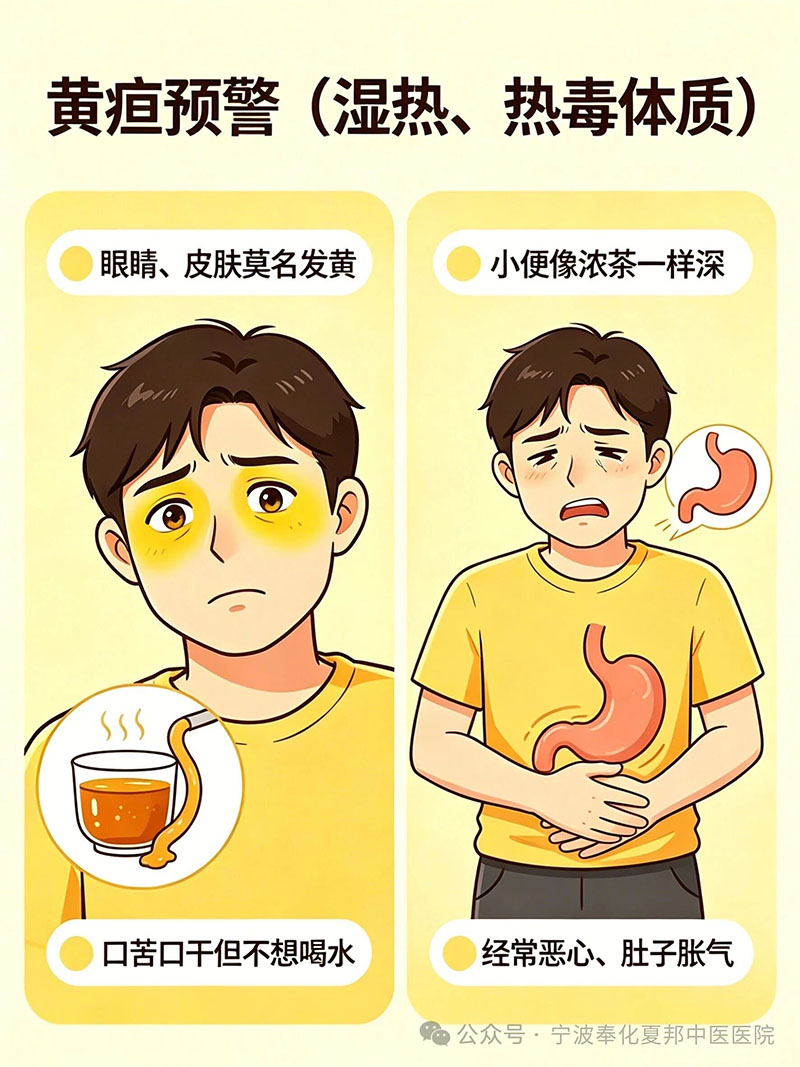
1. Jaundice Warning: Indicates Damp-Heat or Heat-Toxin constitution.
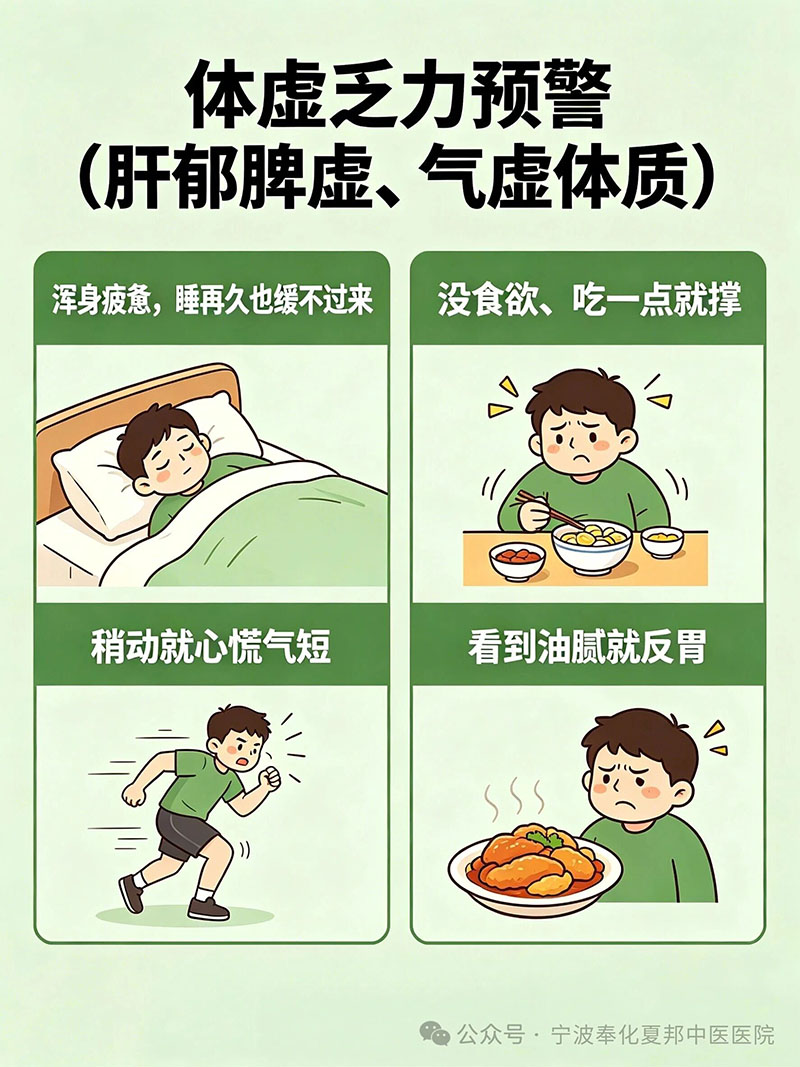
2. Fatigue & Weakness Warning: Indicates Liver Stagnation with Spleen Deficiency or Qi Deficiency constitution.
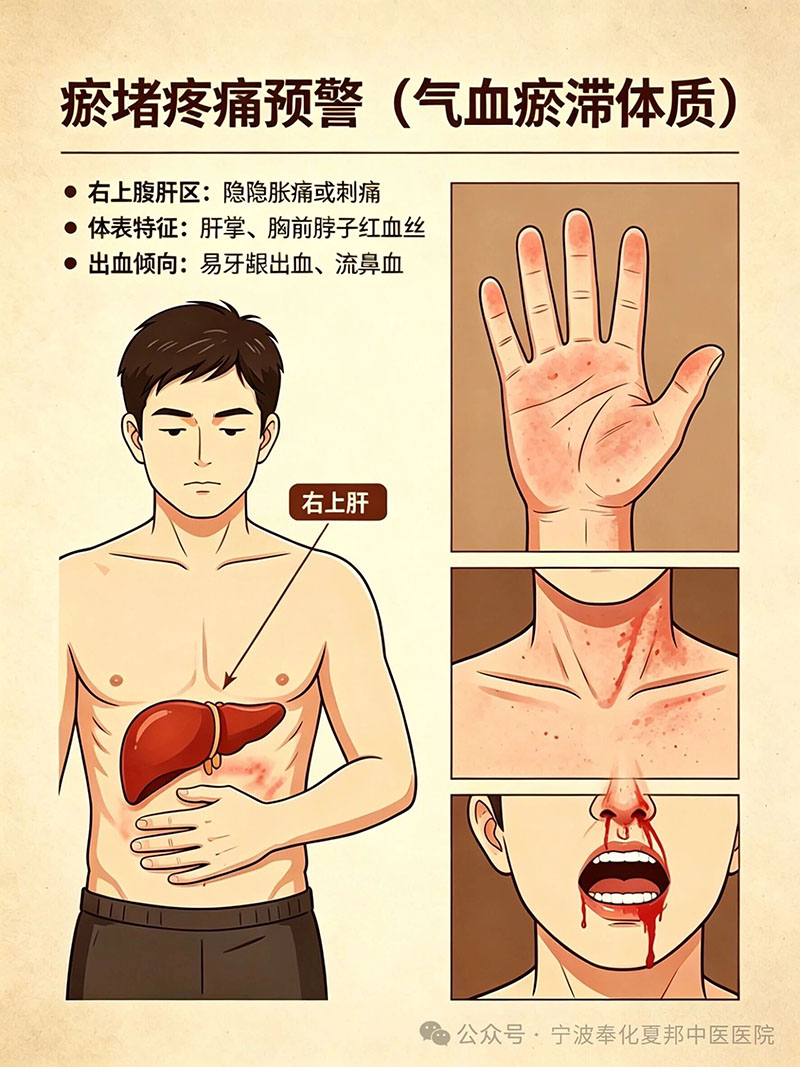
3. Stasis & Pain Warning: Indicates Qi and Blood Stasis constitution.
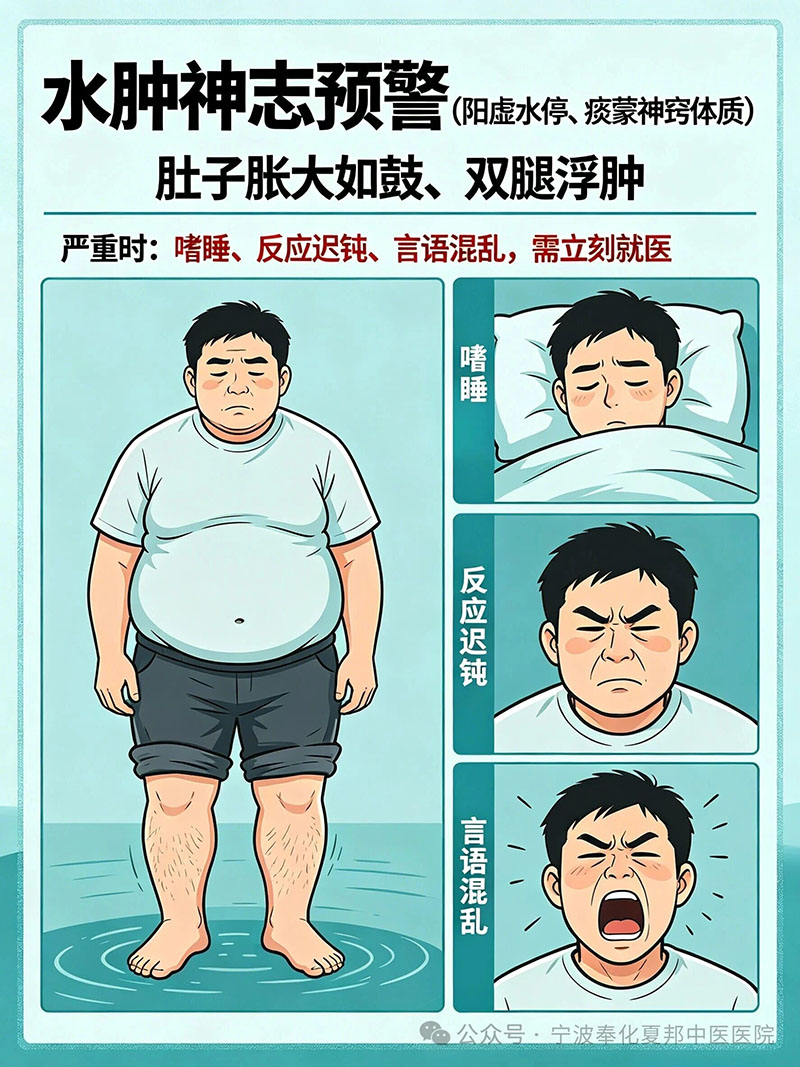
4. Edema & Mental Cloudiness Warning: Indicates Yang Deficiency with Water Retention or Phlegm Obscuring the Mind constitution.
Home Liver Care Checklist from TCM (Save for Reference)
The best treatment for severe liver disease is prevention. The core principle is nurturing Liver Qi and ensuring smooth Qi flow. Focus on these three key areas:
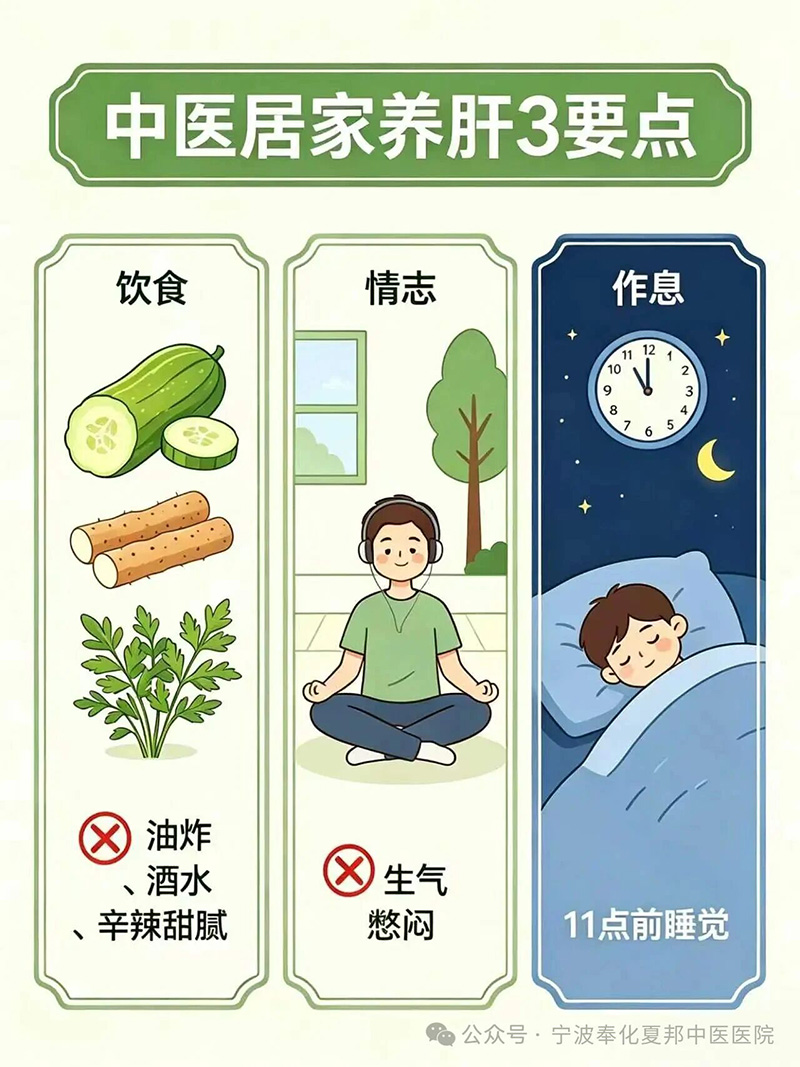
1. Diet: Avoid Liver-Damaging Foods; Embrace Liver-Soothing Ones
Avoid: Greasy, fried, spicy, and overly sweet foods; minimize alcohol (the most damaging to the liver). Limit raw/cold foods to prevent Spleen/Stomach damage and added liver strain.
Recommended: Winter melon, coix seed, Chinese yam, green vegetables, and plenty of warm water.
2. Emotional Health: Release Anger, Avoid Suppression for Smooth Liver Qi
TCM states that "anger injures the liver," and chronic suppression of emotions is the primary cause of Qi blockage. Practice deep breathing for 3 minutes when angry instead of bottling it up. Take walks, listen to soothing music, and maintain emotional ease during free time.
3. Sleep Schedule: No Late Nights to Nourish Liver Blood
TCM teaches that "when a person lies down, blood returns to the liver"; staying up late is profoundly damaging. The golden window for liver blood nourishment and detoxification is between 11:00 PM and 3:00 AM. Commit to sleeping before 11:00 PM and ensure 7–8 hours of quality sleep.
Disclaimer: This article was reviewed and published by Dr. Xia Bang'en, Department of TCM Gastroenterology (Hepatology), Ningbo Fenghua Xiabang TCM Hospital (License No.: 541330283000002; credentials verifiable via the National Health Commission portal: https://zgcx.nhc.gov.cn/doctor). Content is for health education only and does not replace professional diagnosis or treatment. Do not self-medicate. Seek timely care at accredited medical facilities for any liver-related concerns.

 浙公网安备 33028302000750号


