

News

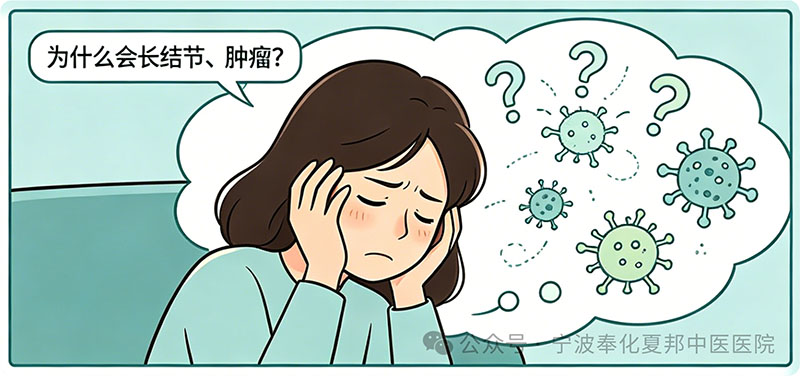
Mentioning nodules or tumors often makes people tense up and overthink: Why do they form in the first place? Today, we’ll break down the underlying logic of how both Traditional Chinese Medicine (TCM) and Western medicine view nodules and tumors using simple, everyday language. This practical health guide is for wellness reference only and does not replace clinical diagnosis or treatment.
1. Western Medicine Perspective: Precisely Targeting Lesions as the Body’s Professional Bomb Disposal Expert
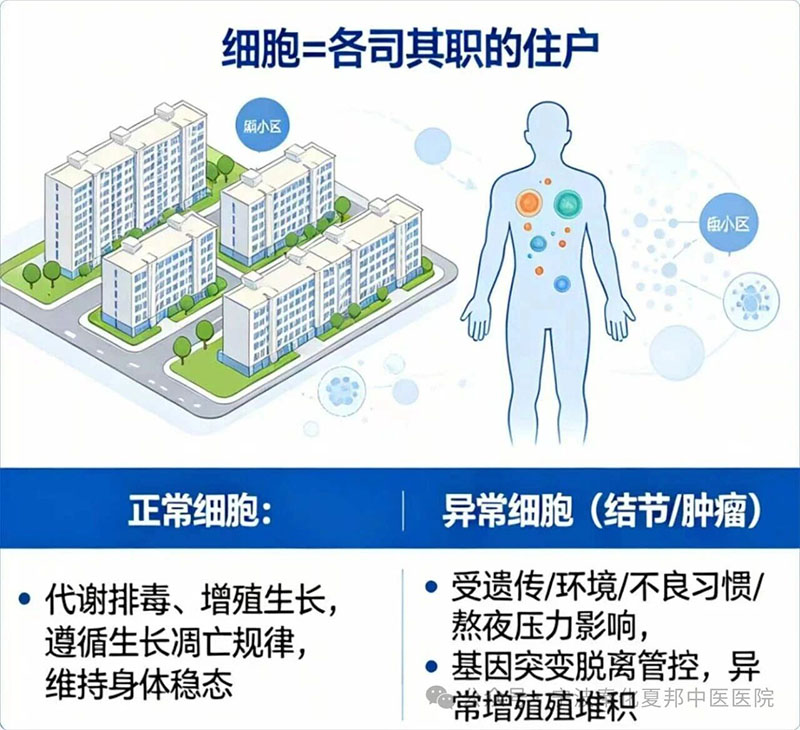
Think of the human body as a well-organized residential community. The trillions of cells are like residents with specific roles: some handle metabolism and detoxification, others manage normal growth and proliferation, all following natural cycles of growth and apoptosis to maintain bodily homeostasis. Nodules and tumors arise when certain cells undergo genetic mutations. Influenced by genetics, environmental pollution, unhealthy lifestyle habits, sleep deprivation, and stress, these cells escape normal regulation and become "rebels," proliferating abnormally and accumulating to form nodules and tumors.
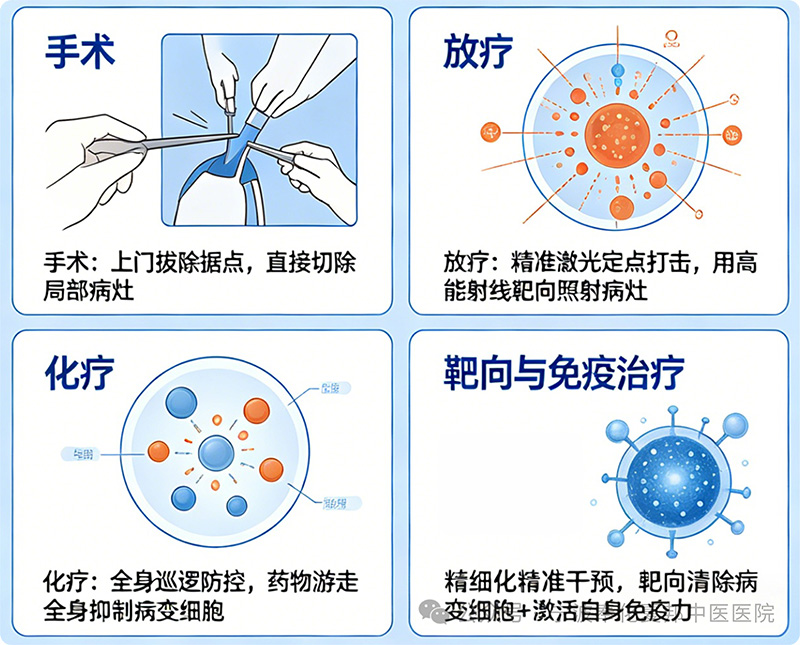
The core logic of Western medicine focuses on localized intervention, precise targeting, and rapid tumor control, aiming to directly manage lesions and curb abnormal cell proliferation.
·Surgery: Like removing a rebel stronghold, it directly excises the local lesion to quickly reduce tumor burden.
·Radiotherapy: Similar to precision laser strikes, it uses high-energy rays to target and destroy abnormal cells at the site.
·Chemotherapy: Acts as systemic patrol and prevention, using drugs that circulate throughout the body to inhibit rapidly dividing diseased cells and slow disease progression.
·Targeted & Immunotherapy: Offers refined, precise intervention. Targeted therapy locks onto specific markers of diseased cells for elimination, while immunotherapy activates the body’s own immune system to fight disease through innate defenses.
In short, Western medicine specializes in tackling local lesions, much like an experienced bomb disposal expert who confronts the root cause head-on for rapid intervention and disease control. Specific treatment plans must strictly follow the guidance of qualified Western medicine physicians.
2. TCM Perspective: Holistically Regulating the Internal Environment as Your Personal Wellness Steward
TCM never focuses solely on a single nodule or tumor lesion; instead, it prioritizes the body’s overall internal environment. The reasoning is simple: if Qi, blood, meridians, and organ systems remain imbalanced, even removed nodules are likely to recur or new ones may form.
Ancient TCM texts do not use the modern term "tumor." Conditions like nodules and masses fall under categories such as Zheng Jia (abdominal masses), Ji Ju (accumulations), and Yan Bing (a collective ancient term for tumors). TCM holds that nodules and tumors do not develop overnight but result from long-term organ dysfunction, meridian blockages, and metabolic disorders accumulating over time. Four primary root causes drive this process:
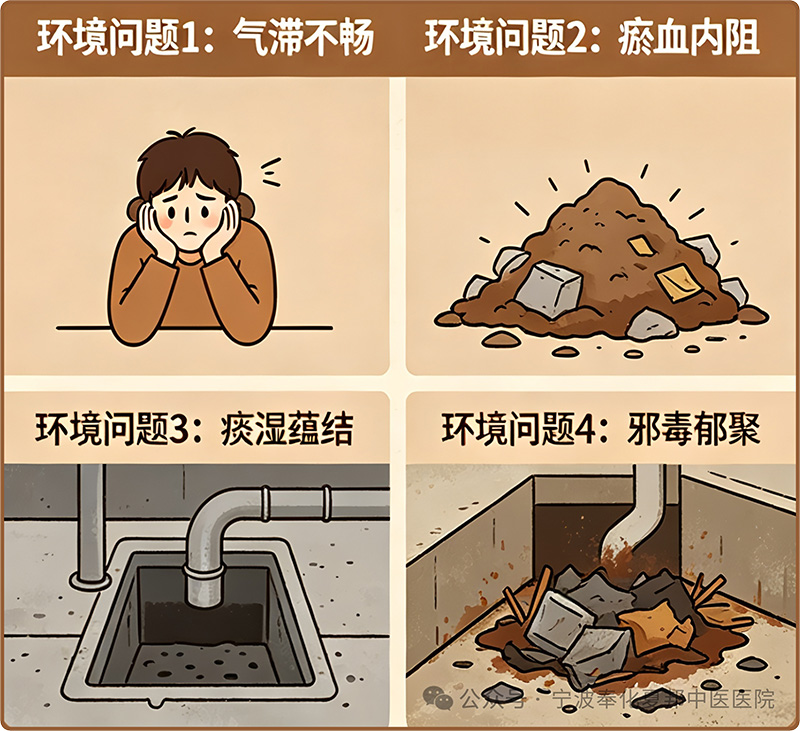
1.Qi Stagnation: Chronic depression, irritability, or suppressed emotions lead to Liver Qi stagnation, disrupting smooth Qi flow—akin to stagnant, unventilated air in a community.
2.Blood Stasis: Prolonged Qi stagnation impairs circulation, leading to blood stasis over time—like garbage piling up without cleanup, blocking meridians.
3.Phlegm-Dampness Accumulation: Overconsumption of cold/greasy foods, chronic sleep deprivation, sedentary habits, and weak Spleen/Stomach function disrupt fluid metabolism, generating internal phlegm-dampness—similar to clogged drains causing water backup.
4. Pathogenic Toxin Accumulation: Long-term interplay of Qi stagnation, blood stasis, and phlegm-dampness generates heat and toxins over time—like rotting waste producing foul fumes—which eventually coalesce into nodules and masses.
A simple analogy: Western medicine focuses on treating local lesions (picking "bad fruit"), while TCM emphasizes regulating the overall internal environment (improving the "soil"). Each has its strengths, and clinicians can combine them based on individual assessments. Western medicine removes bad fruit immediately to prevent rot from spreading; TCM believes bad fruit stems from poor soil conditions—waterlogging, nutrient deficiency, microbial imbalance—and focuses on improving the body’s internal soil, harmonizing constitution, clearing blockages, enhancing self-healing capacity to eliminate malignant cells, and reducing susceptibility to recurrence.
Core TCM wellness principles include supporting vital Qi, eliminating pathogens, balancing Yin-Yang, soothing Liver Qi, activating blood circulation, strengthening Spleen function, resolving dampness, softening hardness, dissipating nodules, and consolidating foundational health. It simultaneously clears blockages (Qi stagnation, blood stasis, phlegm-dampness) to restore circulation, while replenishing vital Qi and stabilizing organ function to correct constitutional imbalances.
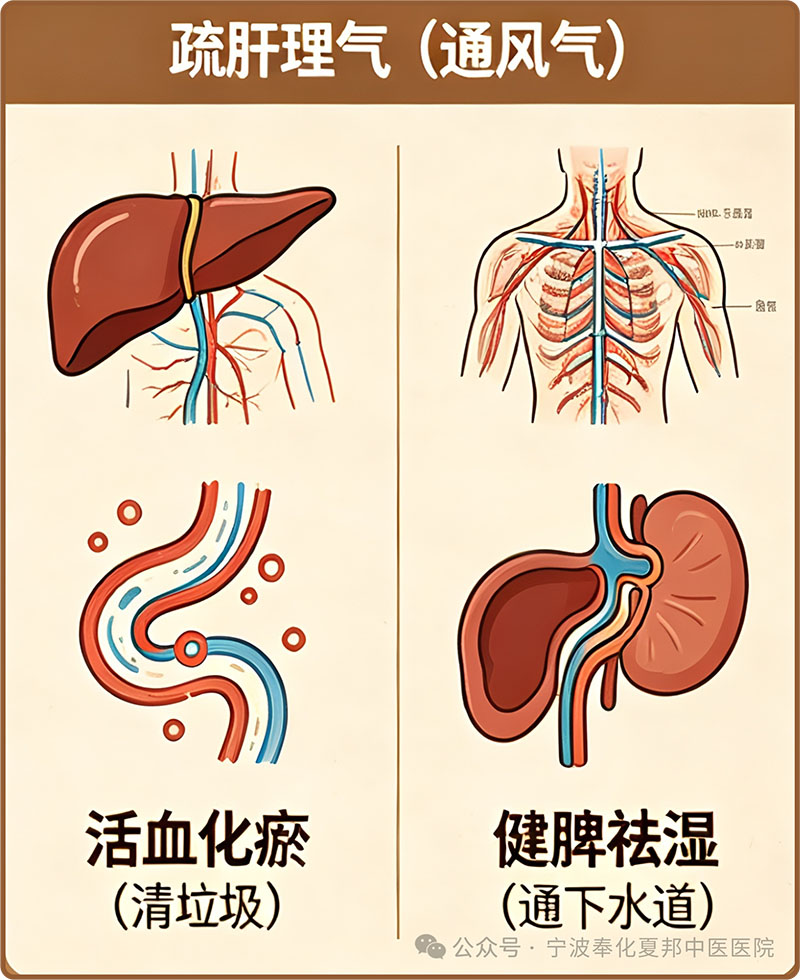
Kind Reminder: TCM emphasizes personalized prescriptions and syndrome differentiation. Never self-medicate; always consult a licensed TCM practitioner for pulse diagnosis and customized wellness plans.
3. Synergistic Partnership of TCM and Western Medicine for Comprehensive Protection
There is no superiority between TCM and Western medicine in managing nodules and tumors—they simply have different entry points and are often used complementarily in clinical practice.
Western medicine excels in acute intervention and local tumor control: For defined lesions, it uses surgery, radiotherapy, chemotherapy, and targeted therapies for rapid intervention to halt disease progression and relieve immediate symptoms.
TCM excels in holistic maintenance and preventing recurrence: Through syndrome-based regulation, it clears internal imbalances, harmonizes Qi-blood and Yin-Yang, boosts immunity, reduces recurrence risk, alleviates post-surgical weakness, eases side effects of chemo/radiotherapy, and supports long-term physical and mental well-being.
This article is for general health education and daily wellness reference only. It does not constitute diagnostic, therapeutic, or medication advice, nor does it endorse any medical institution or specialized service. For diagnosis and treatment of nodules, tumors, or other diseases, please visit accredited hospitals and follow professional medical guidance. All TCM interventions require syndrome differentiation by licensed practitioners; self-medication or unsupervised regimens are strictly prohibited. This content cannot replace standard medical care.
Reviewed and published by Dr. Xia Bang'en, Licensed Physician in TCM/Oncology, Ningbo Fenghua Xiabang TCM Hospital (License No.: 541330283000002). Physician credentials can be verified via the National Health Commission’s official physician registration query portal: https://zgcx.nhc.gov.cn/doctor. This educational content strictly adheres to TCM theory and clinical science communication standards, ensuring scientific rigor, regulatory compliance, and accessibility, without making promises regarding therapeutic outcomes.

 浙公网安备 33028302000750号


