


News


“Spring generates, summer grows; the Liver governs coursing and discharging." Today, using plain language and drawing from our clinical experience, we’ll walk through the six most common liver care mistakes Hepatitis B patients make in summer, helping you protect your liver scientifically and get through the season safely.
Mistake #1: "It’s hot, so having an iced drink or a beer is fine"

Many people rely on iced beverages or beer to beat the heat in summer, thinking an occasional indulgence is harmless. This is a major taboo for Hepatitis B management.
Correct Approach: Strictly abstain from alcohol and avoid all chilled drinks. Drink warm water or mild tea daily; consume low-sugar mung bean soup in moderation to relieve heat, gently nourishing the Liver and Spleen.
Mistake #2: "I have no appetite in summer; eating less or going vegetarian is better for my liver"
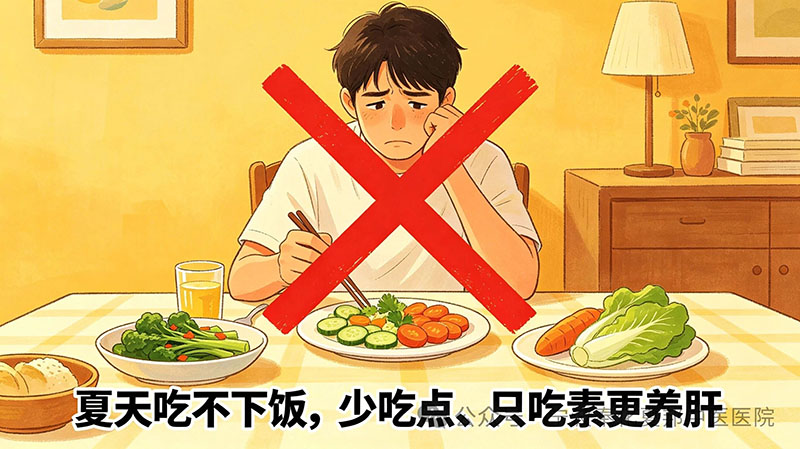
Hot, humid weather often suppresses appetite, leading many patients to eat less, adopt a purely vegetarian diet, or skip protein entirely, mistakenly believing that "light eating" equals liver protection. This is completely incorrect.
Correct Approach: A light diet means low oil and salt, avoiding heavy grease and spice—not restrictive dieting or picky eating. Include moderate amounts of duck eggs, lean meat, yogurt, and soy products to supply high-quality protein. Pair these with dampness-resolving foods like winter melon, Chinese yam, and coix seed. Balanced nutrition is essential for liver repair.
Mistake #3: "Sunset is late in summer, so staying up late is okay"
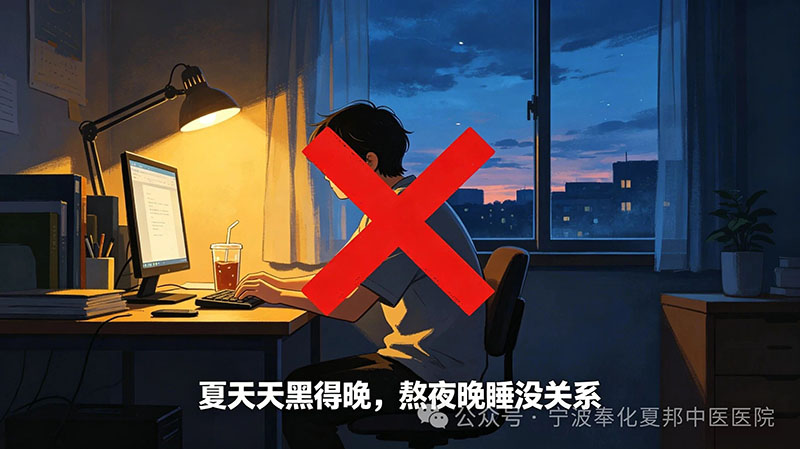
In clinical practice, abnormal liver function tests during summer follow-ups are most frequently triggered by chronic sleep deprivation and insufficient rest.
Correct Approach: Aim to fall asleep before 11:00 PM and ensure 7–8 hours of sleep nightly. Take a 20-minute nap at noon. Adequate rest is the simplest and most effective way to nurture the liver.
Mistake #4: "I feel fine, so I can stop or reduce medication on my own"
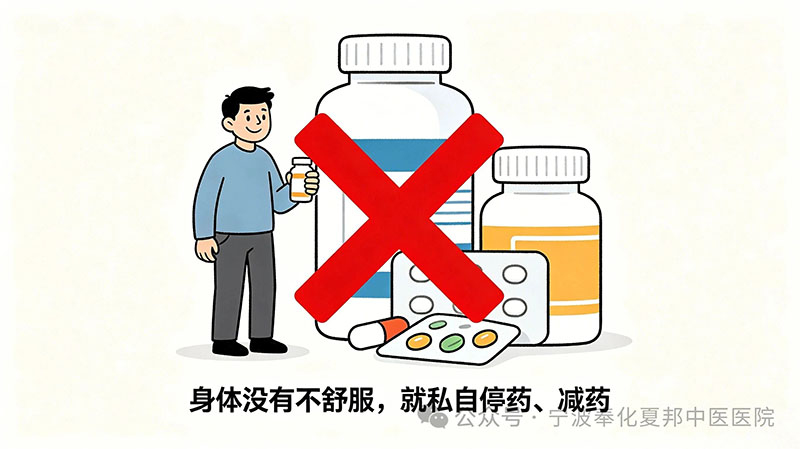
This is the most common and most dangerous misconception in clinical practice. Many patients, feeling well without fatigue, bloating, or jaundice, arbitrarily stop medication or take it inconsistently.
Correct Approach: Strictly adhere to your prescribed dosage and schedule; never adjust your regimen independently. Undergo follow-up testing every 3–6 months (liver function, viral DNA, liver ultrasound) and let your physician evaluate and adjust treatment as needed.
Special Reminder:Hepatitis B patients on oral antiviral therapy must never discontinue medication without explicit guidance from a qualified physician.
Mistake #5: "Sweating more and exercising heavily in summer detoxifies and protects the liver"

Many believe that intense exercise and profuse sweating in summer eliminate dampness and metabolize liver toxins. However, for Hepatitis B patients, scorching sun exposure, high-intensity workouts, and excessive sweating excessively deplete Qi and Blood, reduce hepatic blood supply, impair repair capacity, and increase metabolic burden on the liver—ultimately harming both body and organ.
Correct Approach:Exercise during cooler morning or evening hours. Opt for gentle activities such as walking, strolling, or Tai Chi, aiming only for mild perspiration. Absolutely avoid direct sun exposure and strenuous exertion.
Mistake #6:"Staying in AC all day or taking cold showers after sweating is just normal cooling down"
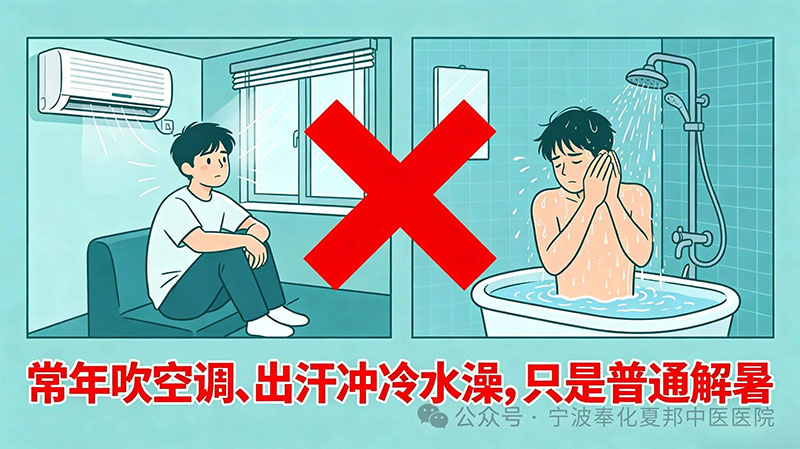
Prolonged air-conditioned environments and cold showers after sweating are widespread summer habits—but they seriously damage the Liver and Spleen. In summer, open pores allow cold and damp pathogens to invade easily, causing Qi-Blood stagnation and damp accumulation. This not only increases susceptibility to colds and lowers immunity but can also trigger flank distension, bodily heaviness, poor appetite, and fluctuations in liver function.
Correct Approach: Keep AC temperature at or above 26°C, avoid direct airflow, and ventilate rooms regularly. After sweating, wipe dry and rest until pores close before taking a lukewarm shower to prevent invasion of cold-dampness.
Hepatitis B is a chronic condition where daily maintenance is paramount. Summer is a critical window for nurturing the Liver and consolidating foundational health. By avoiding these pitfalls and adopting evidence-based self-care, you can effectively reduce relapse risk and stabilize liver function.
Warm Reminder: If you experience bitter taste, fatigue, decreased appetite, right upper quadrant discomfort, yellowing of skin/eyes, irritability, or insomnia, these signal unstable liver status. Prompt evaluation at a hospital hepatology department is strongly advised.
Disclaimer: This article was reviewed and published by Dr. Xia Bang'en, Department of TCM Gastroenterology (Hepatology), Ningbo Fenghua Xiabang TCM Hospital (License No.: 541330283000002; credentials verifiable via the National Health Commission portal: https://zgcx.nhc.gov.cn/doctor). Content is for health education only and does not replace professional diagnosis or treatment. Do not self-medicate. Seek timely care at accredited medical facilities for any liver-related concerns.

 浙公网安备 33028302000750号


